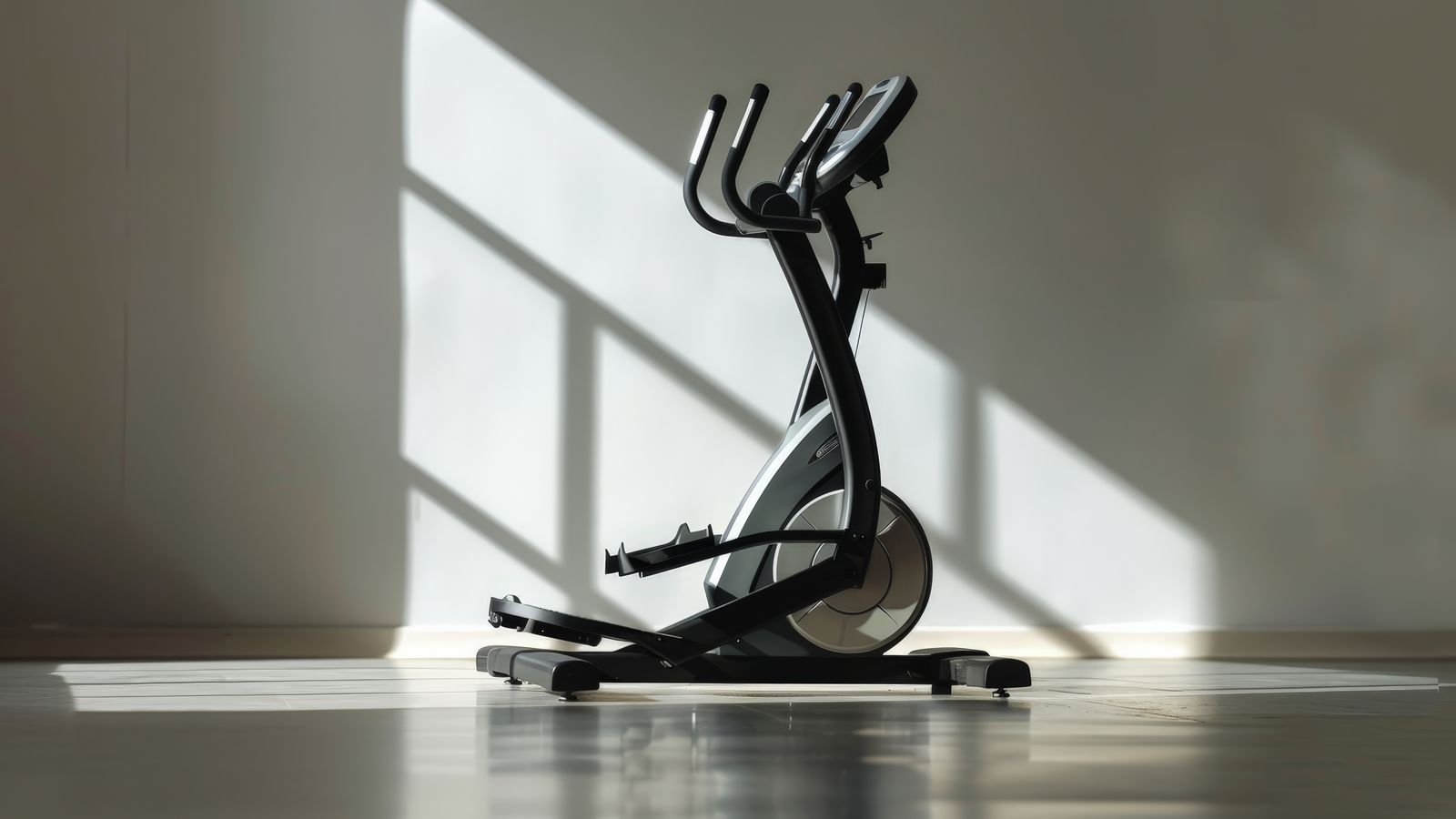
Indoor cycling platforms depend entirely on what comes off the bike. Cadence data, resistance signals, session duration - all of it originates at the hardware level. If the bike is set up badly, fits wrong, or has sensor connectivity problems, every session on the platform is compromised regardless of how well the software side works.
This page covers what actually matters: fit, sensor connectivity, the ride space around the bike, and basic maintenance. It does not invent engineering specs that belong in a manufacturer manual.
Hardware in the Platform
SWEATEMPLE needs real-time data from a cycling setup during every session. Cadence and resistance signals flow from the bike to the platform and drive progression, session feedback, and competitive matching. The bike is the input device. Treat it that way.
Rider Fit
Indoor cycling fit follows the same principles as road cycling fit, with adjustments for the stationary context.
Seat height is where most riders get it wrong first. The knee should have a slight bend at the bottom of the pedal stroke - not straight, not deeply bent. Setting the seat too low is the most common mistake: it loads the knee joint badly and kills power output. A quick starting point is aligning the seat with your hip bone while standing beside the bike, then fine-tuning in the first few minutes of riding.
Handlebar height and reach affect your back more than your hands. If you are rounding your lower back or your shoulders are pulling up toward your ears, raise the bars and bring them slightly closer. Riders who push through lower back discomfort assuming it will improve rarely find it does.
For pedal alignment, the ball of the foot should sit directly over the pedal spindle - whether you are using clip-in pedals or cages. With clips, set the cleat position before your first session. With cages, check that the cage is holding the foot securely enough to maintain alignment when you push through resistance.
Saddle choice is personal but matters more over longer sessions. The stock saddle on most indoor bikes is tolerable for 30 minutes or under. For regular sessions above that duration, a saddle matched to your sit bone width will outperform padded shorts covers. Padded cycling shorts are more effective than a padded saddle overlay for most riders.
Cadence and Resistance
Two measurements drive the SWEATEMPLE effort tracking system.
Cadence is pedal revolutions per minute - how fast you are turning the cranks. Structured sessions typically target ranges between 60 and 110 RPM depending on the phase. Low cadence with high resistance simulates climbing; higher cadence at moderate resistance simulates flat-road speed work. The sensor measuring cadence is usually mounted on the crank arm or built into the bike’s electronics.
Resistance is the load on the flywheel. The platform uses resistance data alongside cadence to estimate effort intensity. Holding 80 RPM at high resistance is substantially more work than the same cadence at low resistance - and the platform treats them differently.
The interaction between the two is where training actually happens. Learning to modulate both rather than relying on cadence alone (or hammering resistance without maintaining pedal speed) is what separates productive sessions from just getting tired.
Sensor Connectivity
The bike communicates with the platform via Bluetooth Low Energy or ANT+ - the two common wireless standards in indoor cycling. Most modern indoor bikes support at least one. Many support both.
Dropouts are usually an environment problem rather than a hardware fault. Other Bluetooth devices nearby, Wi-Fi routers, or metal structures between the bike and the receiving device all cause interference. If you are getting intermittent signal loss, move other Bluetooth devices away from the setup and make sure the receiving device has a clear line of sight to the bike’s transmitter.
Pairing is straightforward: open the platform, enter sensor pairing mode, select the bike from detected devices. Once paired, the connection persists across sessions unless sensor firmware changes or the receiving device is replaced.
For external sensors (external cadence pods, separate heart rate monitors), check the battery when dropouts increase in frequency. Coin cell batteries in external sensors typically last several months under regular use - they do not fail suddenly, they just get unreliable.
The Ride Space
The environment around the bike affects session quality more than most riders expect.
A bike mat is worth having. Indoor cycling transmits vibration and sweat to the floor, and on hard surfaces the bike will shift during high-intensity intervals without one. It also protects the floor finish from months of sweat drip.
Ventilation is the single biggest comfort variable. Indoor cycling generates significant body heat and without airflow you overheat faster than you would outdoors, where forward motion provides natural cooling. A strong floor fan aimed at your torso makes a measurable difference in how long you can sustain quality effort. Riders who add a fan for the first time consistently report that sessions feel substantially more manageable.
Screen placement should put the interface at approximately eye level when you are in a neutral riding position. Looking down at a floor-propped tablet or craning upward at a wall mount introduces neck strain that compounds across sessions.
Keep towel and water within arm’s reach. During interval sessions with 30 to 60 second rest windows, stopping to retrieve them mid-session breaks the rhythm in a way that matters.
Maintenance
Indoor bikes need less attention than road bikes but are not maintenance-free.
Check pedal tightness every few weeks. Pedals loosen over hundreds of sessions, particularly if you transition between seated and standing frequently. A loose pedal announces itself with a clicking sound and an unstable feel underfoot.
Wipe the frame and exposed components after every session. Sweat is corrosive. Consistent exposure damages metal, degrades grips, and stains finishes. A one-minute wipe-down after each ride extends the bike’s life more than any other single habit.
Monitor the drive system. If the bike uses a belt or chain, unusual sounds during riding - grinding, clicking, inconsistent resistance feel - usually indicate a tension issue. These are simple to fix early and expensive to ignore.
Compatibility and Platform Requirements
For details on which bike models and sensor configurations work with SWEATEMPLE, the support section maintains current compatibility information. Platform requirements including device specifications and browser support are also covered there.
For a broader understanding of how the bike hardware connects to the platform’s progression and ride mode systems, start with How It Works. For session structure and ride environment details, see the Cyclum and Game Modes pages.