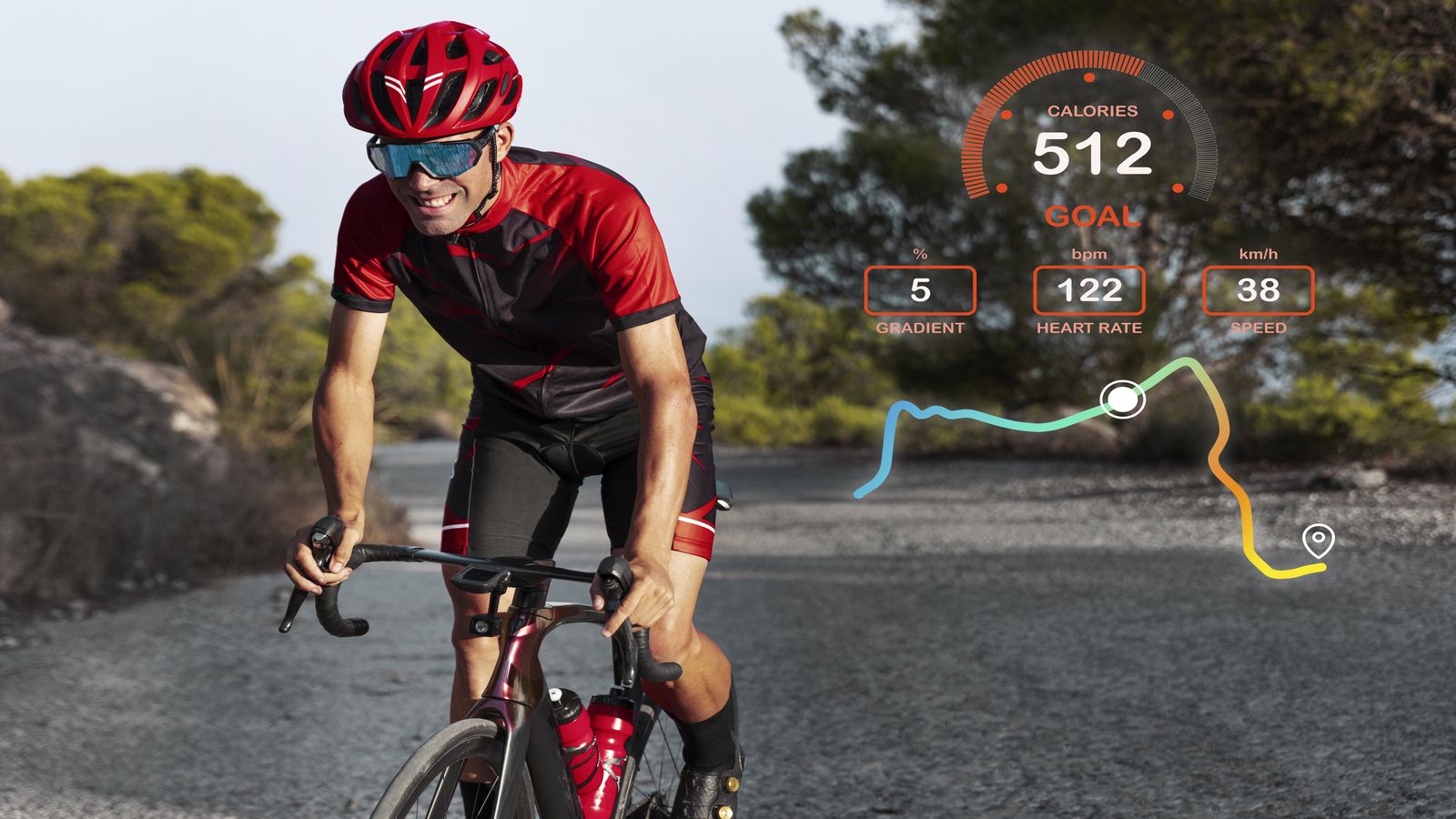
Most gamified fitness platforms lose the majority of their users within six weeks. The initial novelty of earning points, collecting badges, and watching progress bars fill creates a dopamine-driven engagement loop that burns bright and burns fast. Once the novelty fades, riders are left with the same experience they had before, just wrapped in a slightly shinier interface.
The platforms that sustain engagement beyond that honeymoon period share a set of design characteristics that go deeper than surface-level gamification. Understanding those characteristics helps riders evaluate whether a platform is likely to keep them training consistently or whether they will end up with another abandoned app and a dusty bike.
Why Points and Badges Are Not Enough
The simplest gamification approach is transactional: complete an action, receive a reward token. Ride for 20 minutes, earn 100 points. Hit a cadence target, get a badge. Finish a week streak, unlock a cosmetic.
This works initially because the brain responds to variable-ratio reinforcement - the same mechanism that makes slot machines compelling. But fitness is not a slot machine. The physical effort required to earn each reward is real and accumulating. As the novelty of rewards diminishes, the effort remains constant, and the perceived value equation tips negative.
Platforms that rely entirely on this model see predictable abandonment curves. Riders engage heavily for the first two to four weeks, plateau as rewards become expected rather than surprising, and then stop riding because the underlying experience has not changed.
Progression That Reflects Real Change
The gamification layer that actually sustains engagement is one where the rider can perceive genuine improvement in their own capability over time. This is not about telling riders they levelled up. It is about structuring the training experience so that what felt difficult in week two feels manageable in week eight, and the rider notices.
Effective progression systems track cadence consistency, resistance capacity, and session completion patterns across weeks rather than awarding points for individual actions. When a rider can look at their data from two months ago and see measurably different performance patterns, the platform has created something that a badge system cannot replicate - genuine evidence of physical adaptation.
This is why platforms connected to structured ride modes that adjust difficulty over time tend to retain riders better than flat-difficulty systems. The training itself evolves with the rider, which keeps the experience relevant instead of repetitive.
Variety That Serves a Purpose
Session variety is another retention factor, but only when it serves training goals rather than existing for its own sake. Adding 500 generic sessions to a library does not help if they all feel the same. Adding five sessions that each target a different aspect of riding performance gives riders meaningful choices that affect how they train.
The variety that matters is structural - different interval patterns, different cadence-resistance relationships, different session arc shapes. A climbing-focused session that emphasises high resistance at low cadence creates a fundamentally different training stimulus than a sprint-focused session that pushes high cadence at moderate resistance. Both are valuable. Using both across a training week creates the kind of variation that prevents physical and mental plateau.
Platforms with ride environments that change with session type add a perceptual layer to this structural variety. When different session types look and feel different beyond just the effort profile, the brain encodes them as distinct experiences rather than repetitions of the same activity.
Social Comparison Done Right
Competition is a powerful motivator, but it works differently across rider types. Some riders are energised by direct comparison. Others are discouraged by it. Platforms that make leaderboard visibility mandatory and constant will retain competitive riders while driving away the larger population of riders who prefer intrinsic motivation.
The sustainable approach is optional, contextual competition. Arena modes and competitive sessions should exist for riders who want them without dominating the platform experience for riders who do not. A rider who prefers solo training should never feel that the platform considers their approach inferior to competitive participation.
When competitive features are implemented well, they give competitive riders the external pressure they need to push harder while giving non-competitive riders the choice to opt out without penalty.
The Consistency Trap
One of the more counterintuitive design challenges is that overly aggressive consistency incentives can actually reduce long-term retention. Streak systems that punish missed days create anxiety. A rider who breaks a 30-day streak due to illness or travel may feel that their accumulated investment is wasted, and that emotional response can trigger abandonment rather than re-engagement.
Better systems track consistency as a trend rather than a streak. A rider who trains four times per week for three months has demonstrated strong consistency even if they missed two individual days. Recognising the pattern rather than the streak acknowledges real training behaviour instead of demanding perfect adherence.
What Riders Should Look For
When evaluating whether a gamified fitness platform is likely to sustain their engagement, riders should look for a few indicators.
Does the progression system reflect actual fitness improvement, or does it just count completed sessions? Are the available session types structurally varied, or are they cosmetic variations on the same format? Is competition optional and contextual, or is it the primary interaction model? Does the consistency tracking forgive realistic interruptions, or does it create anxiety about missed days?
The platforms that answer these questions well - where the earn mechanics connect to genuine effort and the gamification enhances rather than replaces the training experience - are the ones where riders are still riding a year later.
The others are the ones collecting dust next to the forgotten running apps and abandoned step counters.